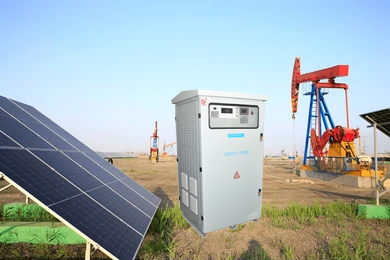
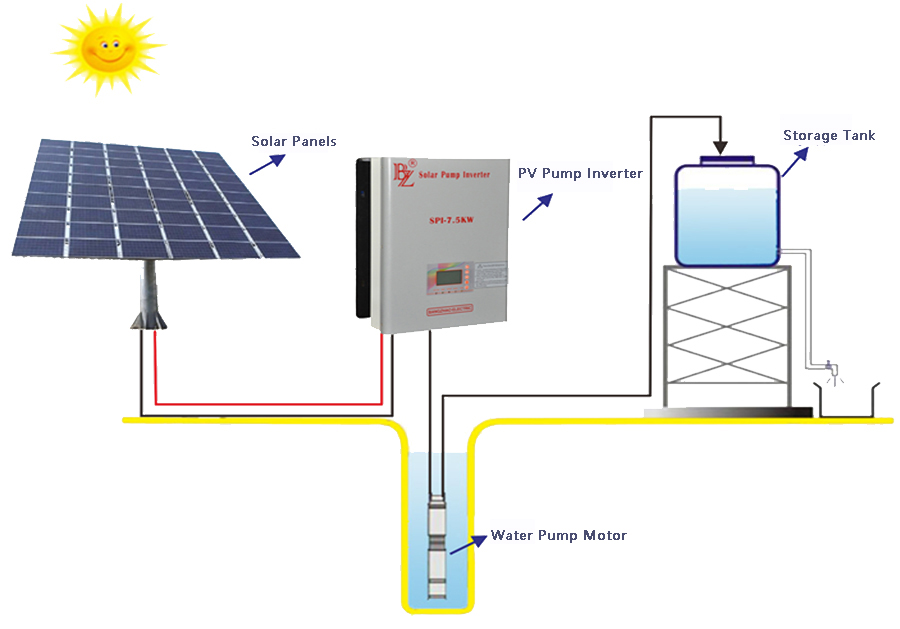
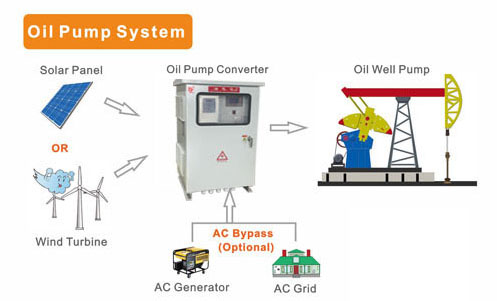
Lately, we've seen how integrating advanced tech into water management has become almost essential if we want things to run more smoothly and sustainably. You know, one game-changer has been Pv Pump Inverters—they basically turn sunlight directly into power for pumping water. This shift has really revolutionized the way we handle water. According to the International Energy Agency, using solar-powered water pumps can slash operational costs by up to half! Plus, it’s a big help in remote areas where access to water can be tough. Companies like Bangzhao Electric have been leading the charge, drawing on over ten years of experience to bring innovative solutions like lithium battery storage, Pure Sine Wave Inverters, and bi-directional energy storage systems. As the push for greener, smarter water management grows, PV Pump Inverters aren’t just a cool new tech—they’re a real step forward in making water use moreefficient and responsible for everyone.
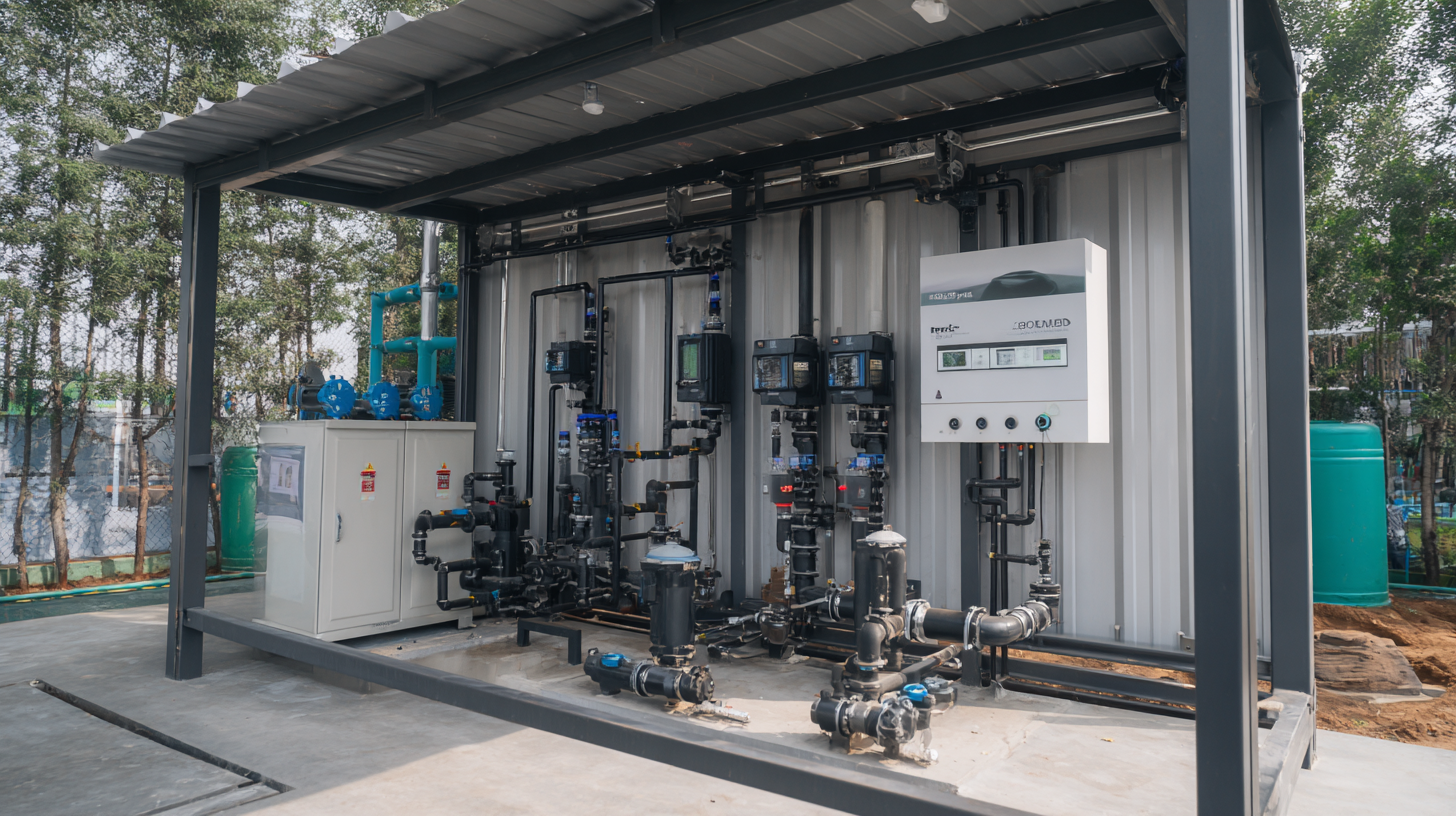
Understanding Pv Pump Inverters and Their Role in Water Management
PV pump inverters are really changing the game when it comes to water management, especially by blending solar energy with smart tech to boost efficiency. Basically, these inverters take the direct current (DC) from solar panels — you know, the kind that comes straight from the sun — and turn it into the alternating current (AC) needed to power water pumps. That's a big deal because it means making better use of renewable energy and helping farms and city water systems run more sustainably. Plus, by tapping into solar power, these inverters cut down reliance on fossil fuels, which not only lowers costs but also shrinks the carbon footprint.
What’s pretty cool is that PV pump inverters are super flexible and scalable. They can handle changes in sunlight and water demand, so the water keeps flowing smoothly even when things get busy or the sun isn’t shining brightly. Some of them come with neat features like remote monitoring and smart controls, so users can tweak performance, keep an eye on energy use, and avoid waste. All of this means the whole water system runs more efficiently and is more resilient — you know, better prepared to handle whatever comes and more eco-friendly overall."
Unlocking Efficiency: PV Pump Inverters in Water Management
Key Benefits of Integrating Pv Pump Inverters into Existing Systems
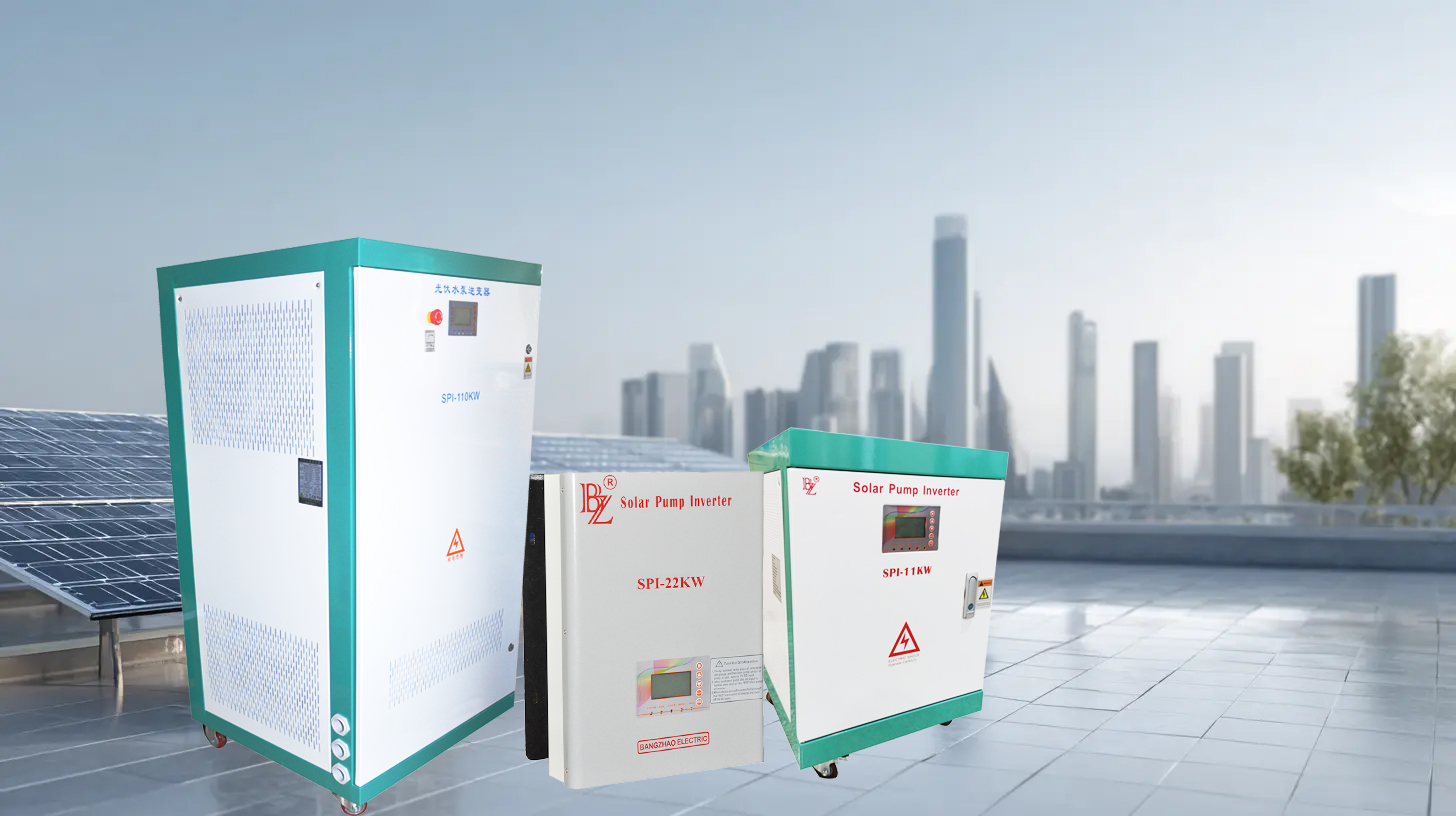 Switching to PV pump inverters for existing water systems really brings some great perks, especially when it comes to making things run more smoothly and greener at the same time. One of the biggest wins is how much they help save energy. Since these inverters turn sunlight straight into electricity to run the water pumps, you cut down on the need for traditional power sources. That means you’re not only saving on energy bills but also giving Mother Earth a bit of a breather — less pollution, fewer fossil fuels burned, you know the drill.
Plus, these inverters boost the whole system’s reliability and performance. They’re pretty clever at adjusting pump speeds on the fly, based on how much water is really needed at any given moment. So, whether water levels are changing or seasons shift, the system adapts without missing a beat. And with smart tech integration, keeping an eye on everything and catching potential issues early becomes a breeze. All in all, bringing PV pump inverters into the mix is a pretty big step forward for smarter, more efficient water management. Honestly, it just makes sense in today’s world, doesn’t it?
Step-by-Step Guide to Selecting the Right Pv Pump Inverter
When you're picking the right PV pump inverter for your water management setup, there are quite a few important things to keep in mind. First off, you want to look for an inverter that's efficient and matches well with your water pumping needs. It's a good idea to go for models that have advanced MPPT (maximum power point tracking) algorithms — these are the tech bits that help squeeze the most energy out of your solar panels. Lately, there's been some pretty exciting innovations in MPPT tech, like those based on smarter algorithms and metaheuristic methods, which really boost performance for solar and wind-powered water systems.
Another thing to think about is how flexible the inverter is when conditions change. With more open-source tools out there now, engineers and even handy DIY folks can really tailor solutions to handle extra PV power. Using these tools can make your system much more adaptable and responsive. So, when you’re choosing a PV pump inverter, it’s worth checking out these options — the goal is to pick something that not only meets your current needs but can also grow with you and is easy enough to upgrade down the line. That way, your water management system stays efficient and sustainable, no matter how things evolve energy-wise.
Optimizing Water Resource Efficiency with Advanced Inverter Technologies
Hey, have you heard about how advanced inverter tech is really changing the game when it comes to water management? It’s pretty impressive! According to the folks over at the International Energy Agency, using photovoltaic (PV) pump inverters can boost energy efficiency by up to 30%. That means pumps can run more smoothly and efficiently, which not only cuts down on costs but also cuts back on using traditional power sources. It’s a smart move towards more renewable energy options.

And here’s the cool part — these smart inverters don’t just sit there; they allow for real-time monitoring and control of water systems. That means operators can actually make smarter, data-driven decisions on the fly. The Water Research Foundation points out that with this kind of technology, water systems can respond about 25% faster to changing demands. That’s super important, especially in places facing droughts or where water supply can be a bit unpredictable. By embracing these tech advances, cities and farms can get better at using water wisely, which helps keep things sustainable and more resilient in the face of all these environmental challenges we’re seeing today.
Real-World Case Studies: Successes of Pv Pump Inverter Implementation
You know, integrating PV pump inverters into water management systems has really started to show some impressive results in the real world. For example, a recent report from the International Renewable Energy Agency (IRENA) mentioned that using solar PV systems with inverters for things like irrigation can cut down energy costs by as much as 40% compared to the traditional diesel pumps. In places like India, where saving energy is super important, these projects aren’t just saving money—they’re also helping manage water resources better by using sustainable energy sources.
There are also plenty of case studies from the farming sector that show just how successful PV pump inverters can be. According to the FAO, farmers in parts of sub-Saharan Africa have seen a boost in productivity of around 20-30%, mainly because these solar-powered pumps keep the water flowing reliably. That’s a game-changer, especially in areas where the power supply is unpredictable. As these technologies keep improving, it’s clear they’re offering really efficient, affordable, and eco-friendly solutions for water management, and I think we’re only going to see more of this in agriculture and industry all around the world.
Future Trends: Innovations in Water Management and Inverter Solutions
The future of water management is really heading into an exciting new phase, mostly thanks to innovations in PV pump inverters. These smart tech advances aren’t just making water distribution more efficient—they’re also helping us use renewable energy sources more effectively. Basically, by tweaking how pump systems operate with clever algorithms and real-time data, these inverters cut down on energy use while still doing a great job. That means saving money and being kinder to the planet, which is a win-win, right?
As more folks face climate challenges and look for better ways to manage water, the importance of inverter tech just keeps growing. Things like variable frequency drives make these systems super adaptable, so they can respond to changing water needs and how much energy is available. Plus, with IoT and cloud tech, we can do remote monitoring and even predictive maintenance—kind of like having a water system that’s always a step ahead, making sure everything stays reliable and sustainable in the long run. Overall, it’s clear that the combo of water management and inverter tech is gonna totally change how we handle water in the years ahead, making everything a lot smarter and more efficient.
Market Analysis and Trends for High Power Vehicle Inverters: Insights from Recent Industry Reports
The market for high power vehicle inverters is witnessing significant advancements, driven by the increasing adoption of new energy vehicles and the demand for reliable power supply systems in various applications. Recent industry reports highlight that isolation type inverters are particularly favored for their ability to convert high voltage DC power into versatile AC power configurations. This feature is essential for the effective operation of high-load equipment, including power tools and medical devices, further bolstering their relevance in markets such as emergency services and recreational activities.
With a power range of 30KW to 100KW, high power vehicle inverters are engineered to efficiently cater to the unique demands of diverse applications. The use of industrial frequency isolation technology ensures that these inverters can seamlessly convert vehicle voltages ranging from 400V to 800V into 380V or 220V, providing not only reliability but also utmost safety. This adaptability makes them ideal for vehicle manufacturers targeting new energy solutions, as well as for emergency power supply systems that require robust performance under varied conditions. As the trend towards electrification and high power solutions continues, the significance of these inverters in meeting current and future energy demands remains paramount.
FAQS
: PV pump inverters are devices that convert direct current (DC) from solar panels into alternating current (AC) to operate water pumps, optimizing the use of renewable energy in water management systems.
They reduce reliance on fossil fuels, lower operational costs, enhance operational efficiency, and support sustainable water resource management by providing a consistent energy source.
Yes, PV pump inverters are adaptable to varying solar conditions and water demand, ensuring reliable water supply even during peak usage times.
Features such as remote monitoring and smart control algorithms allow users to optimize pump performance, track energy consumption, and minimize waste.
Implementing solar PV systems with inverters can reduce energy costs by up to 40% compared to traditional diesel pump systems.
Farmers in sub-Saharan Africa have reported a productivity increase of 20-30% due to reliable water supply from solar-powered pumps, addressing challenges of erratic power supply.
Yes, PV pump inverters provide a sustainable energy source for water distribution in areas struggling with inconsistent power supply.
By utilizing solar energy, they contribute to lower carbon footprints and enhance the resilience and sustainability of water management systems.
Yes, the technology allows for scalability in water management, accommodating various system sizes and requirements.
Their ability to combine solar energy with advanced technology improves the efficiency and effectiveness of water management, making them a key innovation for sustainable practices.
Conclusion
So, I recently read this article called "Unlocking Efficiency: How Pv Pump Inverters Are Changing the Game in Water Management." Honestly, it offers a pretty interesting look into how these inverters are making water systems way more efficient. It breaks down how they boost existing setups—highlighting some pretty cool benefits like saving energy and cutting down on costs. Plus, there's a handy step-by-step guide to help you choose the right inverter if you're thinking about it, and they talk about some cutting-edge tech that can make resource use even smarter.
What's neat is that the article includes real-world examples—case studies showing how various water systems have successfully implemented Pv Pump Inverters and, in turn, improved operations. Looking to the future, it also touches on trends and new innovations in both water management and inverter tech, so it’s clear this field’s just getting started. At Bangzhao Electric Co., Ltd., they're always pushing out innovative energy solutions, and adding inverters like these can really boost how efficiently and effectively water systems run—especially for those on the hunt for sustainable options.